Gel Nail Allergy Signs: When to Stop Using Semi-Cured Strips
Itching is not a beauty tax. Learn the signs that call for removal, medical advice and a pause from DIY gel.
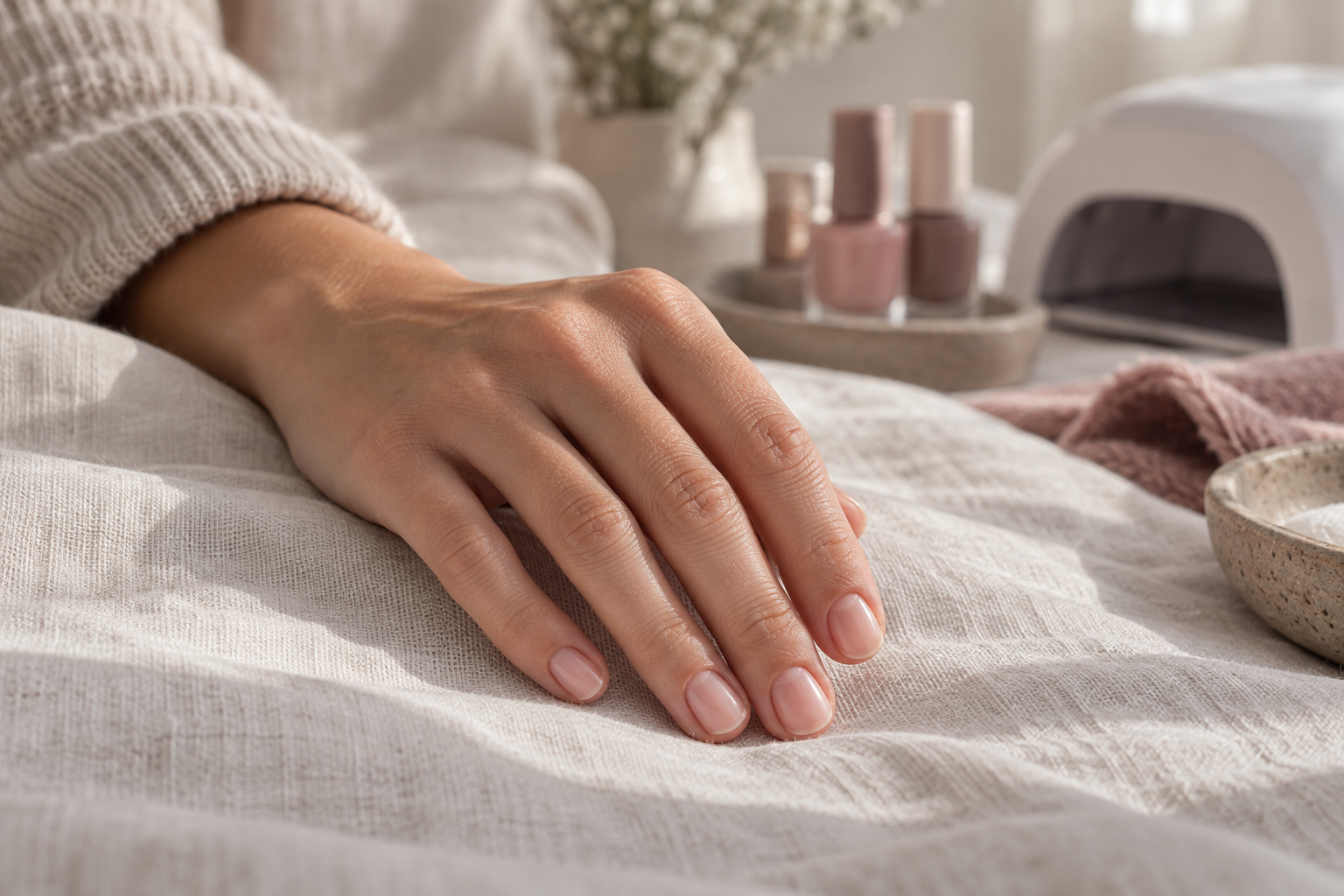
A little warmth under a lamp and an itchy rash the next morning are not the same experience. Beauty forums often blur irritation, allergy and ordinary product discomfort, which can delay the moment someone stops.
Knowing common gel nail allergy signs gives you a boundary. It does not give you a home diagnosis. Contact dermatitis can have several causes, and only a qualified clinician can evaluate your symptoms and decide whether testing is appropriate.
Keep the packaging, ingredient list, lamp information and application date. Those details are more useful at an appointment than a blurred product name remembered weeks later.
Symptoms That Deserve Attention
The American Academy of Dermatology describes contact dermatitis symptoms that can include intense itching, rash, swelling, tenderness, dry cracked skin, bumps or blisters. Around nail products, changes may appear at fingertips and nail folds, but transferred product can also expose eyelids, face or neck.
Symptoms may begin after previous uneventful manicures. Sensitization can develop over time, so “I used it before” does not rule out a reaction now. Photograph the area in clear light and note when symptoms began.
- Itching or burning
- Red, swollen nail folds
- Blisters or weeping skin
- Cracks and marked dryness
- Nail lifting or tenderness
Allergy and Irritation Can Look Similar at Home
Irritant dermatitis can result from direct chemical damage, while allergic contact dermatitis involves an immune response to a substance. Both can feel uncomfortable and may overlap visually. Trying to prove which one you have by reapplying product creates more exposure.
Heat pain only during curing may point toward a different problem, but it is still a reason to remove the hand from the lamp. Do not push through pain to complete a timer. Product comfort is never a score of toughness.
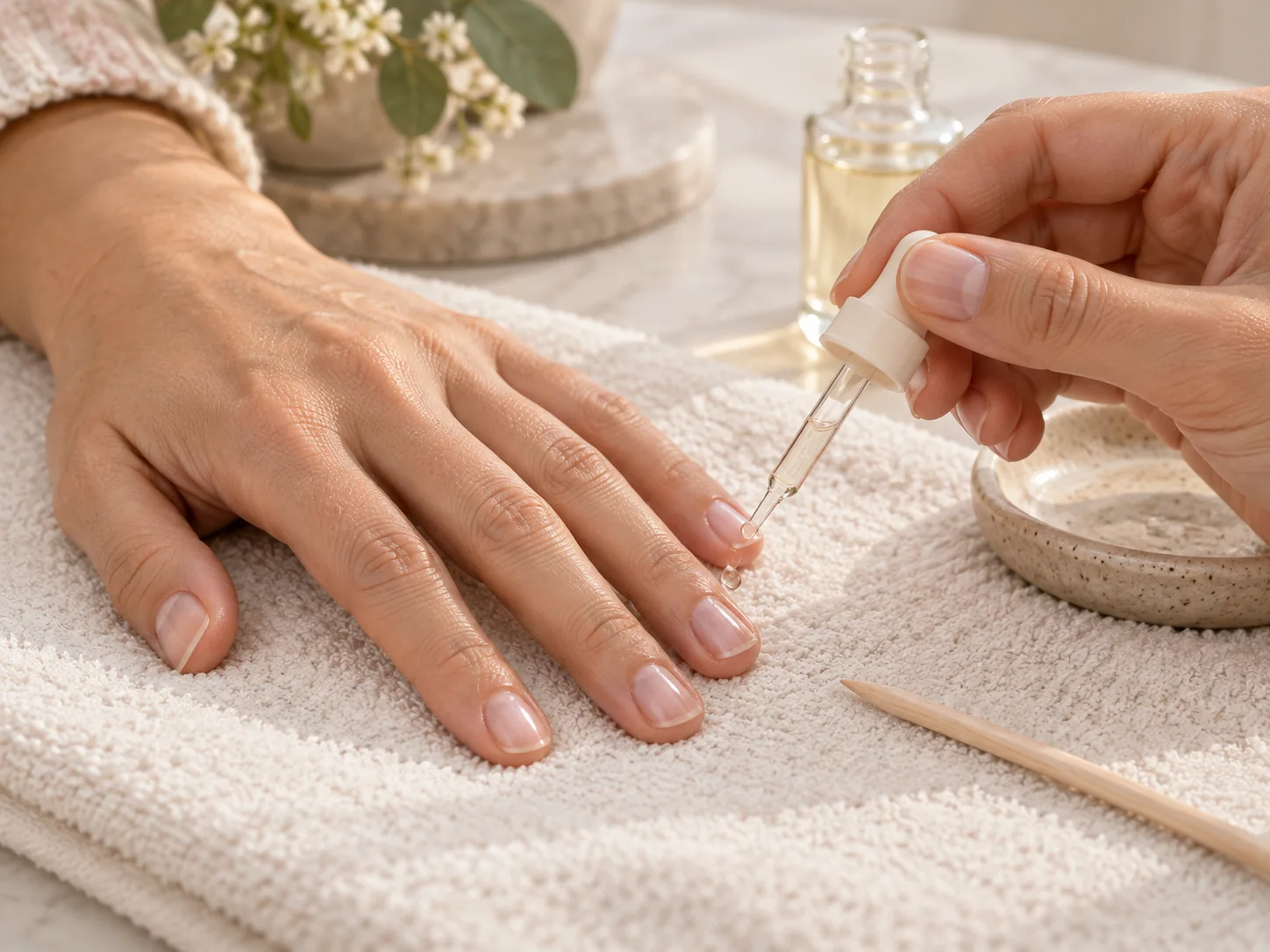
Your Appointment Notes
Application date, first symptom and any spread.
Strip, prep pad, remover, top coat and lamp.
Clear images before and after removal.
Past reactions to nails, adhesives or medical materials.
What to Do When Symptoms Appear
Stop applying and curing products. If removal can be done safely, follow the brand method without getting more uncured product on skin. Avoid ripping firmly attached material from an already tender nail.
Contact a dermatologist or other qualified clinician, especially when symptoms are persistent, spreading or involve the nail itself. Seek urgent help for severe swelling, breathing difficulty or signs of a serious systemic reaction. Keep all products away until you have guidance.
Reduce Skin Exposure Every Single Time
Select a strip that remains within the nail borders. Do not stretch gel across the sidewall or cure a flap resting on cuticle skin. If you use a compatible liquid finish, control the brush and clean accidental skin contact before curing according to directions.
Use the lamp designed for the system. Inadequate curing may leave more reactive material, while arbitrary extra curing is not a substitute for compatibility. Work in good light and retire products whose instructions or ingredient information are missing.
Keep an Ingredient Record, Not a “Hypoallergenic” Assumption
Marketing terms such as gentle or hypoallergenic do not tell you which exact ingredient caused a reaction, and they do not guarantee that no reaction can occur. Photograph the ingredient panel when you open a product; online listings can change.
A dermatologist may recommend patch testing when allergic contact dermatitis is suspected. Do not perform DIY skin tests with nail gel. Deliberately applying uncured product to skin is exposure, not a safe diagnostic method.
Do Not Choose a New Gel by Guessing Around the Label
If allergy is confirmed, product selection can affect more than manicures because related acrylates may appear in other materials, including some medical and dental products. Follow professional advice and communicate a confirmed allergy to relevant healthcare providers.
A break from gel does not mean a break from personal style. Regular polish or other formats may be options, but discuss cross-reactivity and ingredient concerns with your clinician rather than relying on a social-media “free from” list.
- No re-challenge manicure
- No DIY patch test
- No product on broken skin
- No hiding symptoms under another set
Gel Nail Allergy Signs: FAQ
Can gel nail allergy start suddenly?
Yes. Allergic contact dermatitis can appear after earlier exposures that seemed uneventful.
Is itching after gel nails normal?
No persistent itching should be dismissed as normal. Stop use and seek advice.
Can I cure the product longer to prevent allergy?
Do not improvise. Correct curing and avoiding skin contact reduce exposure, but extra time is not an allergy guarantee.
Should I test gel on one nail?
Not after a suspected reaction. Re-exposure can worsen symptoms; ask a clinician.
Can nail glue cause similar symptoms?
Adhesives can also cause reactions. Record every product used rather than assuming the strip gel is the only exposure.
What does HEMA-free mean?
It means a product claims not to contain that specific ingredient; it does not mean acrylate-free or allergy-proof.
When is it an emergency?
Breathing difficulty, facial or throat swelling and other severe symptoms require urgent medical help.
A reaction is a stop sign, not a troubleshooting challenge
Recognizing gel nail allergy signs means giving symptoms authority. Stop the exposure, keep product information and get qualified advice instead of switching brands through trial and error.
A manicure should make daily life more pleasant. It should never require you to normalize itching, swelling or pain for the sake of a glossy finish.