Can Semi Cured Gel Nail Strips Damage Natural Nails?
The strip is only half the story. Preparation, skin contact and the way you remove it often decide how your bare nails feel afterward.
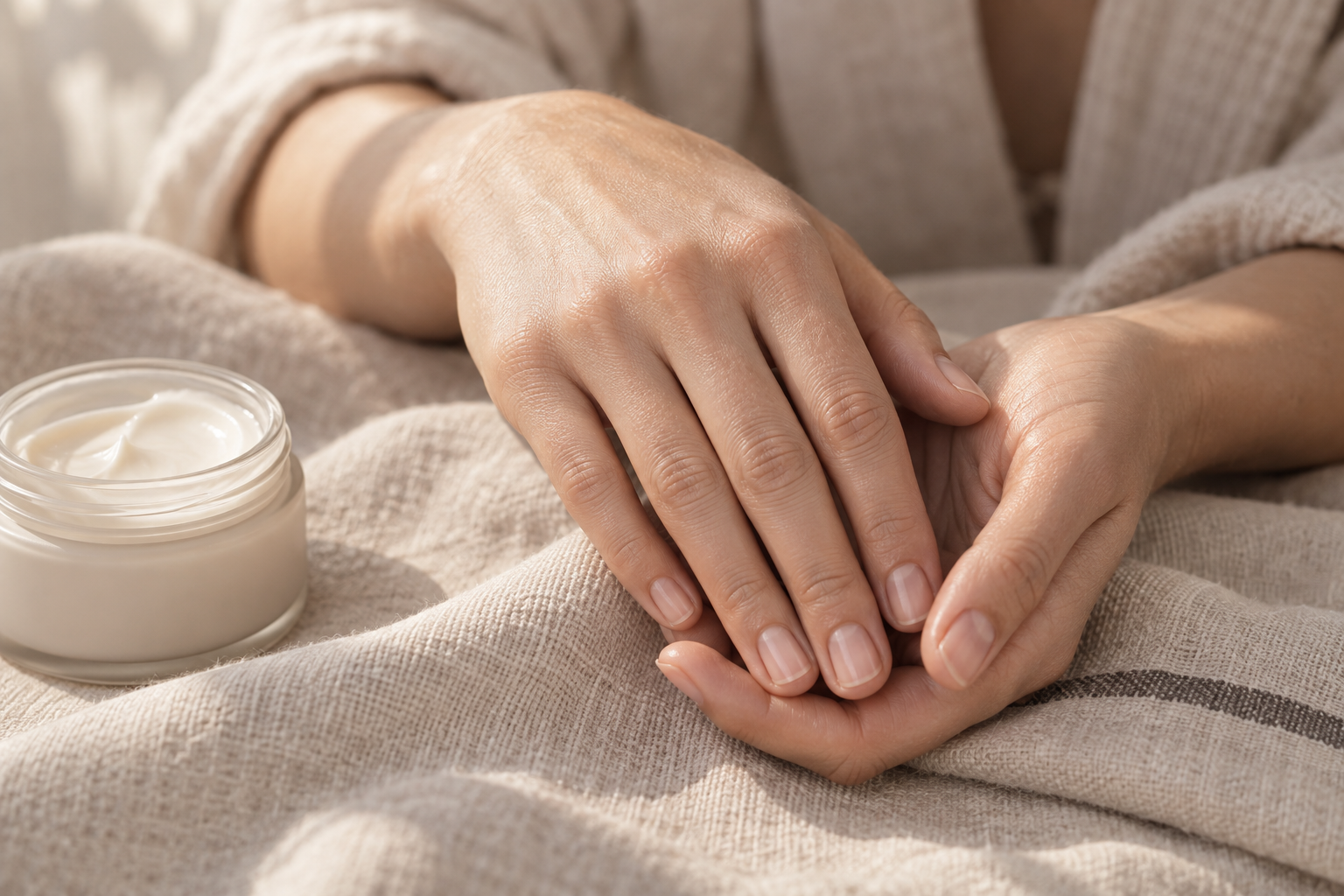
Bare nails can look different immediately after any long-wear manicure. Temporary dryness is not the same as layers of nail pulled away with adhesive, and neither is the same as an allergic rash. Naming the pattern helps you respond without panic or denial.
Readers asking can semi cured gel nail strips damage nails deserve more than “mine were fine.” Personal experience cannot guarantee yours. Gel formulas, adhesives, removal products, nail thickness and user technique all vary.
The American Academy of Dermatology notes that gel manicures can cause brittleness, peeling and cracking. That makes conservative preparation, product-off-skin application and patient removal part of the beauty result—not optional housekeeping.
Separate Surface Trauma, Dryness and Skin Reactions
Surface trauma often looks like rough white patches or peeling layers after a strip was pulled away. Dryness can affect the nail and surrounding skin after remover use. Allergic contact dermatitis is a skin reaction that may include itching, redness, swelling or blisters and requires a different response.
Nail separation, green or dark discoloration, pain and drainage are not normal beauty inconveniences. Remove product safely and seek medical care. Do not cover an unexplained change with another opaque set.
- Rough peeled layers: possible mechanical removal trauma
- Dry, tight skin: possible irritant or solvent effect
- Itchy swollen skin: possible dermatitis
- Pain or discoloration: medical assessment
Preparation Should Not Make the Nail Thinner
The purpose of prep is to remove residue and create a clean dry surface. It is not to file away the shine until the plate feels tender. Follow the strip directions, and use only light buffing if the manufacturer actually requests it.
Cuticle work should also remain gentle. Broken skin increases exposure and makes any manicure less comfortable. Do not cut living skin, dig beneath the nail fold or apply strips over cuts.
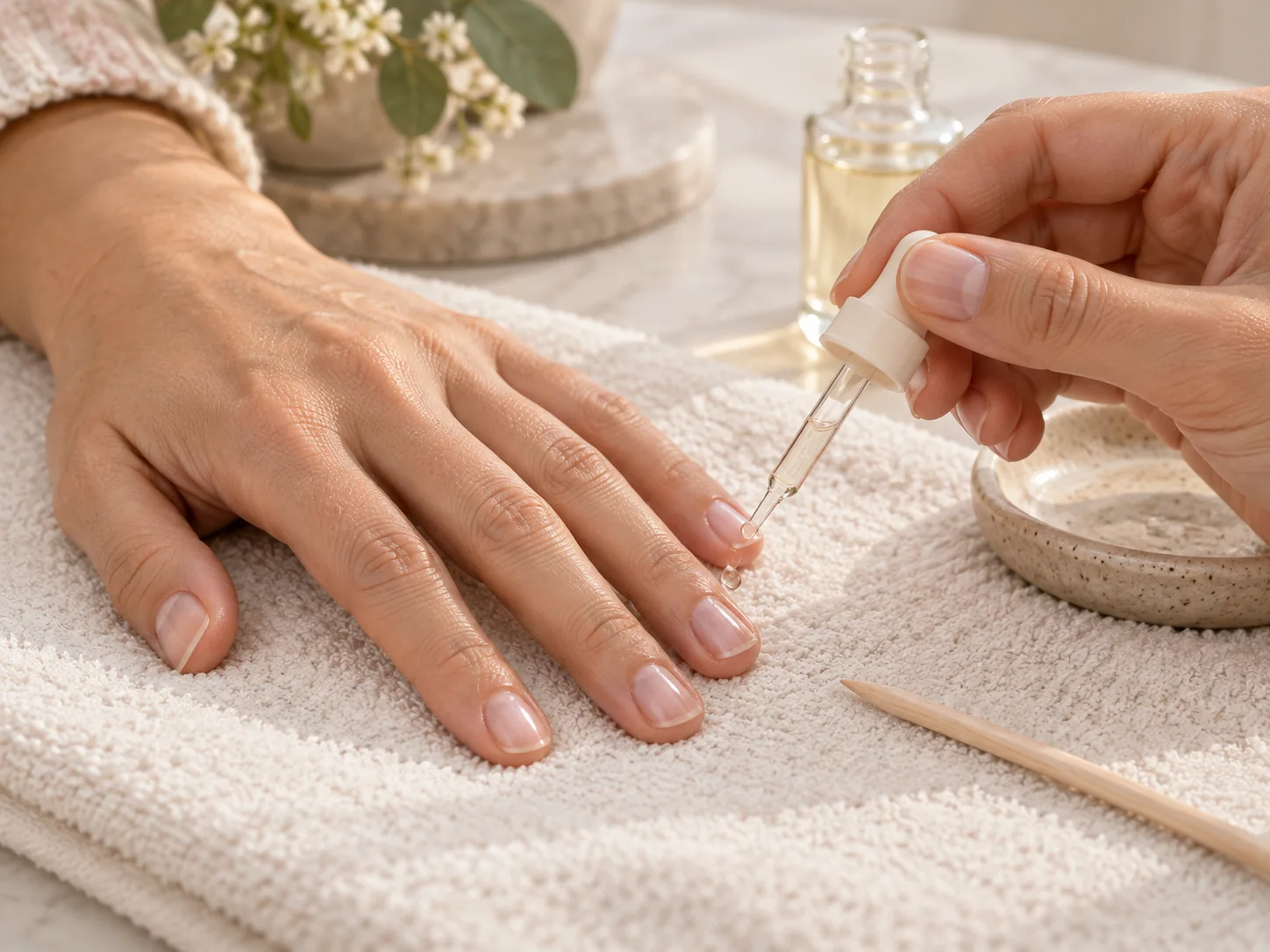
Keep Uncured Product and Adhesive Off Skin
Choose a strip that sits fully within the nail borders. If material touches a sidewall, lift and resize before curing rather than painting around it. The same principle applies to any compatible liquid top coat.
Acrylates used in nail products can sensitize some people. Home users may increase exposure when gel touches skin or is inadequately cured. If a set causes itching or swelling, do not test another finger to confirm the reaction.
A Nail-Friendly Set Has Four Boundaries
Clean the plate without thinning it.
Keep gel and adhesive within the nail.
Remove when lifting or discomfort begins.
Use liquid and patience whenever resistance returns.
Most Preventable Damage Happens in the Last Ten Minutes
When a strip begins to lift, it can feel ready to peel. Adhesive may still be strongly attached across most of the nail. Pulling the strip uses the nail plate as the weak layer, especially on thin or flexible nails.
Use the brand’s remover or approved oil, begin at the recommended edge and move slowly with a manicure stick. Add more liquid whenever resistance returns. Dashing Diva and Ohora both publish gradual removal methods for their systems; neither describes ripping the strip away dry.
Give a Rough Nail Time Instead of Another Cover
After removal, gently wash the hands and moisturize nails and surrounding skin. The AAD recommends a nail-hydrating product such as petroleum jelly between gel manicures. Keep damaged nails short so flexible layers are less likely to catch.
A new opaque set hides the surface you need to observe. Wait until the nail is comfortable and the skin is calm. If separation, pain or discoloration persists, ask a dermatologist rather than beginning another cycle.
Build a Routine That Values the Bare-Nail Day
Photograph nails before application and after removal in similar light. Note any ridge, split or discoloration that existed before the set. That simple record prevents the manicure from being blamed for every mark and also exposes genuine changes.
Choose one product system, follow its lamp and removal directions, and take periodic breaks based on how your nails respond. Wear time is not a contest. Removing a secure set carefully at day ten is a better outcome than tearing off a failing set at day fourteen.
- No painful buffing
- No product on skin
- No mystery lamp pairing
- No dry peeling
- No immediate re-covering of symptoms
What to Shop—and What to Check
Listings, sellers and prices change. These links are starting points, not claims that an item is currently a bestseller. Confirm compatibility and current directions before purchasing.
Petroleum Jelly
AAD guidance mentions petroleum jelly as one option to rehydrate nails and cuticles between gel manicures.
Wood Manicure Sticks
Use gently with the approved remover; never force one beneath a firmly attached strip.
Can Semi Cured Gel Nail Strips Damage Nails: FAQ
Do semi-cured strips make nails thin?
The product is not the only factor. Aggressive prep and peeling can remove surface layers and make nails feel thinner.
Are strips safer than gel polish?
There is no universal safety ranking. Ingredients, skin contact, cure and removal all matter.
Should nails breathe between sets?
Nails do not breathe, but a bare interval lets you inspect, hydrate and avoid repeated cosmetic stress.
Can I apply strips over a split nail?
A painful or deep split should heal and may need medical advice. Do not use a strip as structural treatment.
Why are there white patches after removal?
They may reflect dryness or surface trauma. Stop peeling, moisturize and seek advice if changes persist.
Can I remove strips with cuticle oil?
Some brands permit oil or sell a dedicated remover. Use the method specified for your product.
When should I see a dermatologist?
Seek care for persistent pain, swelling, itching, blisters, separation, drainage or unexplained color change.
The removal result is part of the manicure
So, can semi cured gel nail strips damage nails? Yes, damage is possible, especially when preparation is harsh, skin contact occurs or removal becomes peeling. Careful use can reduce avoidable harm but cannot create a zero-risk cosmetic product.
Judge every set twice: once when it shines and again when it comes off. Healthy-looking, comfortable bare nails are the finish worth protecting.